Blessed Teacher Craft SVG: A Designer's Practical Review
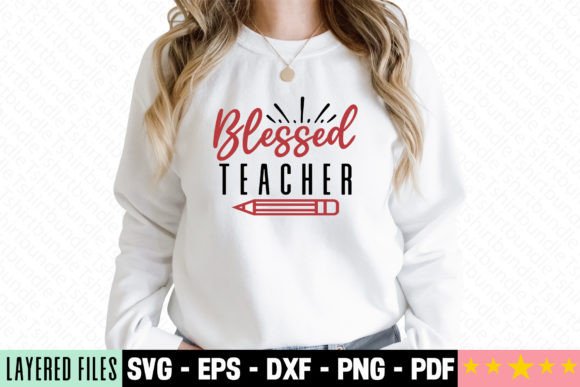
Whenever a new design lands in my library, my first instinct is to picture it stitched out—how will it sit on fabric, how will the thread behave, and what kind of product will truly let it shine? Today, I'm looking at the Blessed Teacher Craft SVG, a design that immediately feels destined for appreciation gifts and heartfelt handmade products.
The Quiet Confidence of a Well-Crafted Design
Opening the Blessed Teacher Craft SVG, the first impression is one of balanced warmth. The layout isn't overly flashy; it carries a sincere, classic mood. The typography is clean and approachable, with a visual personality that leans towards traditional gratitude rather than trendy whimsy. This isn’t a design shouting for attention with dense detail, but rather one that promises to embroider with clarity and a gentle presence. It naturally belongs on items meant to convey respect and thanks—think custom apparel for a retiring educator, a personalized tote bag for a mentor, or a cozy pillow cover for a classroom.
Where This Design Finds Its Perfect Project
I’m imagining a real-life scenario: preparing a set of custom embroidered kitchen towels and a matching apron as an end-of-year gift for a beloved teacher. This is the kind of project where the Blessed Teacher Craft SVG would excel. The design's scale and detail level suggest it would stitch beautifully on these medium-sized, flat surfaces. On a crisp white apron, with a simple satin stitch for the lettering and perhaps a fill stitch for any accompanying floral accents (depending on the exact vector artwork), the message would stand out with professional clarity.
Beyond that, it’s a strong candidate for a variety of real-world applications. It would be lovely on the corner of a sweatshirt, the front of a canvas tote bag, or as a centered motif on a baby blanket intended as a gift from a teacher's student. As an embroidered patch, it could be applied to a cap or a backpack. For small business owners and Etsy sellers, this design translates easily into a product line—a series of “Blessed Teacher” tea towels, pillow covers, or simple framed hoop art for craft fairs or boutique merchandise. The clean vector file means it also works seamlessly for creating printable mockups and digital product previews, which is invaluable for online sellers.
A Note on Texture and Scale
While the design feels adaptable, its successful application depends on thoughtful pairing with the product. On highly textured fabrics like some blankets or woven towels, smaller, intricate details within the design might lose definition. Embroidering it on thin or stretchy fabric, like a lightweight t-shirt, would demand excellent stabilizer to prevent puckering, especially if any element of the design has high stitch density. For curved surfaces, such as a cap, the layout would need careful positioning to ensure the lettering doesn’t distort.
The Impact on Your Product's Appeal and Value
Using a clean, well-constructed embroidery file like this directly impacts your finished product’s perceived value. For the crafter or creative entrepreneur, it builds customer trust. A gift adorned with this embroidery feels intentionally handmade, not haphazard. The stitching clarity speaks to professionalism. For the small shop owner, it supports brand consistency if you specialize in appreciative or celebratory goods. The design’s inherent “giftability” is high—it’s instantly recognizable and emotionally resonant, which drives buyer engagement in an Etsy listing or at a market stall.
Practical Considerations Before You Hoop the Fabric
Before I’d commit this to a client’s project or my own shop inventory, here are the steps I’d take as an embroidery designer. These notes are based on general best practices, as the specific stitch count or exact hoop size isn’t provided in the file description.
- Test on Scrap First: Always stitch the design out on a piece of scrap fabric identical to your final product material. This reveals how the thread colors interact with your fabric and shows the true stitch density.
- Check Contrast: Examine how the design reads on both light and dark fabric backgrounds. You might need to adjust thread colors for optimal contrast, especially for any small lettering.
- Inspect the Details: Zoom in on the vector file. Look for any tiny corners or exceptionally fine lines that might be challenging for your machine or require a smaller hoop size.
- Consider the End Use: If the finished product will undergo frequent washing, like a kitchen towel or baby item, ensure the embroidery placement and stitch types are robust enough to endure.
- Confirm Licensing: The product includes multiple file formats for versatility. Before selling finished items or using the design in commercial embroidery projects, verify the licensing terms to ensure your use is covered.
A Design That Supports Your Creative Intent
The Blessed Teacher Craft SVG strikes me as a reliable design asset. It doesn’t try to do everything, but what it does—communicate a message of gratitude with clean, embroiderable aesthetics—it does very well. It’s a graphic that serves the maker. It allows you to focus on the craftsmanship of your embroidery project and the quality of your finished product, whether that’s a personalized gift or a line of small shop merchandise. By testing it thoroughly and pairing it with the right fabric and application, you can create items that feel both heartfelt and professionally executed, which is, after all, the hallmark of a great handmade product.