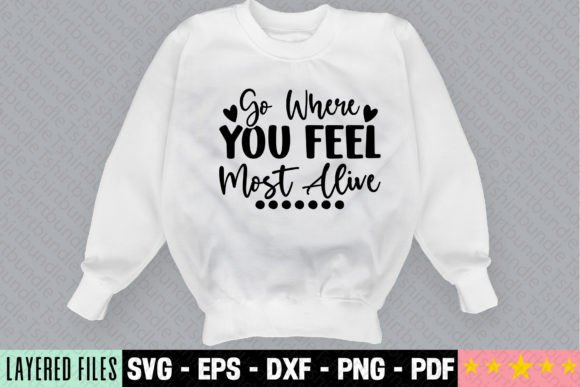
Evaluating "Go Where You Feel Most Alive" for Embroidery
When a design file lands in my library, my first thought is always about the stitch. I’m looking beyond the screen preview, imagining how the lines will translate into thread, how the sentiment will feel on fabric, and where it would genuinely belong in my work or in a client’s hands. Today, I’m considering the “Go Where You Feel Most Alive” SVG design, a piece that clearly falls into the popular category of inspirational T-Shirt Designs, but its potential, from an embroidery perspective, stretches much further.
The Immediate Mood: A Design That Speaks to Movement
This isn’t a static, blocky graphic. The wording itself—Go Where You Feel Most Alive—carries an energy, a suggestion of adventure and personal joy. As a machine embroidery design, that mood is crucial. It dictates the project. This isn’t a design I’d automatically slap onto a standard polo shirt; it feels more personal, more gift-oriented. The layout, from what I can see in the provided file formats, is clean and modern, likely with a balanced typography that won’t fight with itself when stitched. The detail level appears manageable—no overly intricate, hairline details that would vanish or blob together with thread. Its visual personality is friendly and aspirational, perfect for a handmade product meant to uplift.
Where This Design Thrives in Real Projects
I’m picturing a specific scenario: a custom order for an embroidered tote bag for a traveler, or a cozy sweatshirt for someone who loves the outdoors. This design sings on items that accompany people on their journeys, both literal and personal. Here’s where I see the “Go Where You Feel Most Alive” embroidery file performing beautifully:
- Custom Apparel: Beyond t-shirts, it’s excellent for relaxed-fit sweatshirts, hoodies, and canvas jackets. The sentiment pairs perfectly with comfortable, personal clothing.
- Tote Bags & Aprons: These are fantastic for craft fair products or small shop merchandise. A nicely embroidered tote with this phrase becomes a functional, inspiring accessory.
- Home Decor: Pillow covers, simple tea towels, or even a small framed embroidered patch for nursery or office decor. It adds a positive, handmade touch to a space.
- The Gift Corner: This is a prime candidate for personalized gifts. Baby items (like a keepsake blanket), wedding gifts for adventurous couples, or holiday presents. Its universal appeal boosts its giftability significantly.
- Boutique & Etsy Products: For Etsy sellers and creative entrepreneurs, this design can anchor a whole line. Imagine it on a range of items—caps, patches, kitchen towels—creating strong brand consistency for a shop centered on positivity and lifestyle.
For commercial embroidery, it’s a versatile asset. It could work well for a small business’s staff apparel if the company culture aligns, or as a resale item for apparel decorators. The provided bundle (SVG, PNG, EPS, DXF, PDF) means it’s ready for various software and uses, including creating printable mockups to attract customers before the stitch is even made.
Points of Caution: Stitching for Clarity and Durability
While the design feels adaptable, a practical review means noting where extra attention is needed. As a digital embroidery file, its success depends on application.
- Small Hoop Sizes: If you’re aiming for a tiny version on a cap or a baby bib, you must check the lettering detail. Small satin stitch letters can lose definition if the design isn’t optimized for a small scale. I always advise testing on scrap fabric first.
- Textured or Stretch Fabrics: On very textured knits or stretchy athletic fabrics, the clean lines of the phrase might require careful stabilizer choice to prevent distortion.
- Dark Fabric: This is a general rule, but crucial here. The design’s appeal relies on clear readability. On dark backgrounds, thread color contrast is paramount. Choosing a bright, contrasting thread or potentially a layered applique approach (if the file supports it) would maintain the visual appeal.
- Dense Stitch Areas: If the design has any filled elements (like a decorative icon alongside the text), check the stitch density in your software before running it. High density on lightweight fabrics like t-shirts can lead to puckering.
- Products for Frequent Washing: For items like kitchen towels or everyday sweatshirts, the stitching must be secure. Using quality thread and ensuring good coverage in any fill areas will affect longevity and customer trust in your finished product.
The Impact on Your Craft Business
Using a design like this isn’t just about the technical stitch; it’s about the story it tells on your product. For embroidery designers and makers, it offers tangible benefits.
It elevates product value. An inspirational, well-executed embroidery on a simple tote bag transforms it from a generic item into a meaningful one. That enhances buyer engagement—customers connect with the message. For your handmade presentation, it adds a layer of thoughtfulness, showing you’re selecting designs that resonate, not just decorate.
Professionalism comes from flawless execution. A clean, readable rendition of “Go Where You Feel Most Alive” on a hat or patch signals skill and care. It also opens doors for personalized products—perhaps adding a name or location beneath the phrase for a custom order, leveraging the vector file’s resizability.
Practical Notes Before You Hoop the Fabric
My final thoughts, as if I’m preparing to use this for a client’s embroidered patch order, are these actionable steps:
- Always, always test the design on scrap fabric first, using the same fabric and stabilizer you plan for the final project. This reveals any issues with stitch density or small details.
- Run a thread color contrast check. View the design in black and white mockups to see if the composition holds up. Then, physically test your chosen thread on both light and dark background scraps.
- Confirm your hoop size and machine compatibility. While the file is vector and resizable, ensure your machine can handle the final size you intend to stitch, especially if going very large or very small.
- Inspect the small details in your embroidery software. Look at corners of letters and any decorative accents. Will a running stitch or fill stitch be used? Understanding the stitch types helps you choose appropriate stabilizer.
- Most importantly, confirm the licensing before selling finished items or incorporating it into digital product previews. The product description states it includes multiple file formats for resizable use, but clarity on commercial embroidery and resale rights is essential for craft business use. Always verify this with the seller or license agreement.
The “Go Where You Feel Most Alive” design, from a practical embroidery standpoint, is a strong candidate for projects that blend positivity with craftsmanship. Its success hinges not on hype, but on the careful, thoughtful application of our skills—ensuring that when it’s stitched, it truly feels alive on the fabric.