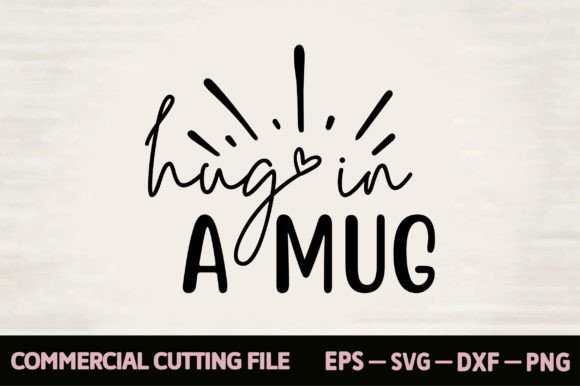
Hug in a Mug Graphics: A Designer's Review for Real Publishing
When a graphic design asset arrives in my digital workflow, I judge it not just as art, but as a potential editorial tool. Today, I’m looking at Hug in a Mug, a graphic set typically categorized under T-Shirt Designs, for its application beyond apparel. The immediate impression is one of warm, accessible comfort. It creates an editorial mood that is distinctly lifestyle-focused, playful, and quietly artistic. This isn't a harsh, corporate block of color; it’s an invitation, a visual hug, which tells me it naturally supports content niches around wellness, home life, cozy hobbies, mindful living, and personal rituals.
The Visual Mood: Where This Design Asset Fits in Your Content Calendar
The style of Hug in a Mug leans decorative and modern-clean. It feels feminine in a universal, welcoming way rather than overly gendered. This is crucial for publishers: the visual tone of your blog graphics directly affects reader perception and trust. Using a design like this on a site about self-care, slow living, or creative entrepreneurship instantly communicates warmth and approachability. It tells your audience, before they read a word, that your content is personal, thoughtful, and grounded in real experience. For affiliate marketers promoting home goods or lifestyle products, this kind of visual alignment is powerful.
Beyond the ZIP File: Real Publishing Applications
What you receive is a digital download containing versatile graphic files. As a publisher, I immediately start mapping these to concrete needs in my workflow. Here’s how Hug in a Mug can be deployed across a content ecosystem:
- Blog Featured Images & Article Headers: This graphic can become the hero image for posts about morning routines, mindfulness, or finding joy in small things. It establishes a clear visual hierarchy, placing a relatable symbol at the center.
- Pinterest Graphics & Social Media Previews: Its cohesive, concept-driven design makes for excellent Pinterest pins. The “hug” concept is emotionally clickable, potentially improving click-through rates for your linked content.
- Digital Guides, eBook Covers & Lead Magnets: Imagine a downloadable guide titled “Your Daily Comfort Guide.” Using Hug in a Mug as a cover or internal accent graphic elevates the perceived value, making your lead magnet feel more polished and complete.
- Newsletter Banners & Website Headers: A simplified version could serve as a banner for a weekly newsletter focused on comfort and inspiration, reinforcing brand identity across touchpoints.
- Category Thumbnails & Downloadable Printables: For a blog with a “Comfort & Care” category, this graphic provides instant visual recognition. It can also be integrated into actual printables—like a mindful drinking tracker—enhancing their decorative quality.
- Canva Templates & Digital Ads: Imported into Canva, these elements become building blocks for creators to quickly assemble social media posts or small digital ads for relevant affiliate products, ensuring consistent branding.
How This Design Supports Content Performance
In practical terms, using a cohesive graphic design asset like this isn’t just decoration; it’s a performance strategy.
- Stronger First Impression: It makes your website or blog post look curated and intentional, not generic.
- Better Click-Through Potential: On social media or Pinterest, emotionally resonant visuals like this stand out in a feed of text and chaotic images.
- More Consistent Branding: Using it across featured images, printables, and guides creates a subtle but strong visual identity for your niche.
- Improved Reader Trust: Professional-looking, themed content graphics signal that you invest in your audience’s experience, building credibility.
- Clearer Category Recognition: Repeated use as a category thumbnail helps readers navigate your site intuitively.
The Prime Real Estate: Where Hug in a Mug Works Best
For maximum impact, focus on these high-visibility applications:
- Hero images at the top of key articles.
- Large, standalone Pinterest pin graphics.
- The cover imagery for digital products like guides or worksheets.
- Header graphics for email newsletters or dedicated website sections.
- Editorial accents within longer, text-heavy articles to provide visual relief.
- Social media previews, especially for Instagram or Facebook posts linking to your content.
Publisher Notes: Where to Use with Care
Even the best design assets have contextual limits. With Hug in a Mug, be mindful in these scenarios:
- Small Mobile Thumbnails: Fine details may vanish, so test its clarity at small sizes.
- Text-Heavy Blog Images: If overlaid with too much text, the charming detail could become background noise.
- Serious Professional Niches: It may feel out of place on a site focused on, say, corporate finance or technical tutorials.
- Busy Layouts: On a page with many competing visual elements, its subtle charm might get lost.
- Low-Contrast Backgrounds: Ensure it’s placed on a background that allows its form to stand out clearly for readability.
Practical Checks Before You Hit Publish
Before committing this asset to live content, run these real-world tests:
- Preview it on both desktop and mobile screens.
- Check how it looks as a 150x150px thumbnail in your blog’s category grid.
- Drop it into a draft blog layout alongside your headline and meta text.
- Test it with different font styles: does it complement a serif font for elegance, a sans-serif for modernity, or a script font for extra warmth?
- Review file size and compress appropriately for web performance—slow-loading graphics hurt user experience.
- Critically: Confirm the commercial license terms if using it on monetized websites, affiliate pages, or within paid digital products. Never assume.
Ultimately, Hug in a Mug is more than a T-Shirt Design. It’s a blog graphic waiting to happen, a Pinterest pin in disguise, a brand accent for the lifestyle-focused creator. In the hands of a savvy publisher, it transforms from a digital download into a tool for visual communication, helping content not only look polished but feel connected and clickable. It supports the entire stack: from the first impression on a website header to the final detail on a downloadable resource, proving that thoughtful design assets are the unsung heroes of effective digital publishing.