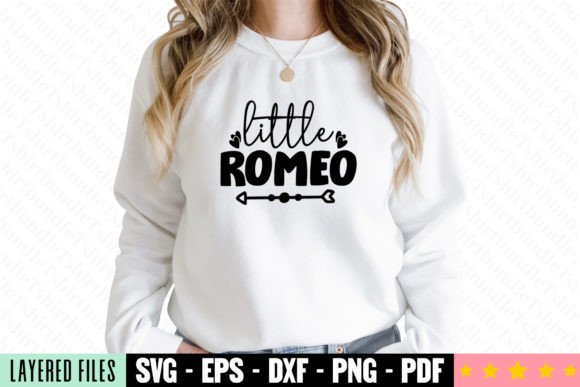
Little Romeo SVG: A Charming and Adaptable Embroidery Design
When I first opened the Little Romeo Craft SVG file, the immediate impression was one of soft, storybook charm. The design feels like a gentle illustration, with a central character that carries a classic, whimsical personality. It isn’t overly loud or trendy; instead, it evokes a sense of thoughtful, heartfelt crafting. The layout is balanced, and the level of detail suggests it’s meant to be a focal point, not a tiny accent. As an embroidery designer, I see this not just as a graphic, but as a narrative element—it tells a little story on fabric.
The Kind of Project Where This Design Flourishes
Imagine you’re preparing a custom baby gift—a soft cotton blanket or a delicate muslin swaddle. You want the embroidery to feel special, not generic. Little Romeo fits that scenario perfectly. Its gentle theme lends itself to nursery decor, personalized baby garments, and commemorative items like a “welcome baby” pillow. But its appeal isn’t limited to infants. I can easily see this design adorning a linen apron for a boutique kitchen shop, adding a touch of personality to a simple canvas tote for a book lover, or becoming a cherished patch on a denim jacket. The mood is versatile: it can be sweet, literary, or simply artistic, depending on the product you pair it with.
For small business owners and Etsy sellers, this is a design that elevates a basic item. Stitching Little Romeo onto a plain cotton sweatshirt transforms it into a boutique-ready piece. On a tea towel or a pillow cover, it creates a handmade, heirloom-quality feel that customers connect with emotionally. The design’s visual personality supports brand consistency for shops that curate a cozy, artistic, or family-oriented aesthetic. As a finished product, it feels giftable—it’s that kind of design.
Real-World Embroidery Performance: Where It Shines and Where to Be Mindful
In practical embroidery situations, the key strength of this vector file is its scalability. Being a quality vector design means you can resize it confidently for different projects without worrying about pixelation. For a large statement piece on a tote bag, you can scale it up, and the details will remain clean. For a smaller accent on a baby cap or the corner of a handkerchief, you can scale it down. However, this is where your practical judgment as an embroiderer comes into play.
When stitching this design, particularly at smaller sizes, pay close attention to the finer elements. Any small lettering or intricate corners within the design will require a suitable hoop size, appropriate stabilizer, and careful thread choice to maintain clarity. On textured fabrics like a waffle-knit blanket or on stretchy fabrics like a t-shirt, you’ll want to test the stitch density first. A design with potential dense fill areas might need adjustment to prevent a stiff feel on flexible garments.
Dark fabric backgrounds are another consideration. The design’s appeal relies on its form and character. Before committing, always test it on scrap fabric in both light and dark colors. Thread color contrast is paramount here. You might find that a slightly lighter or brighter palette than initially planned brings out the design’s charm better on dark materials. This step is crucial for maintaining the professional, clean look that builds customer trust in your handmade products.
Practical Notes for Your Embroidery Workflow
- Always hoop a scrap of your intended project fabric and stitch a test run first. This reveals how the design interacts with the fabric’s texture and stretch.
- Review the stitch density in your embroidery software. For lightweight or delicate fabrics, you may need to reduce density to preserve fabric drape.
- Inspect the small details in a black and white mockup. This helps you see the pure structure without color influence, ensuring every element will stitch clearly.
- Confirm the licensing terms associated with the Little Romeo Craft SVG file before selling finished items or incorporating it into commercial embroidery projects for clients.
- Use proper stabilizer. This design deserves a clean, puck-free finish, especially if you’re creating products for a craft business or boutique.
The Impact on Your Product’s Value and Appeal
Using a design like Little Romeo SVG isn’t just about adding decoration; it’s about adding value. On a custom apparel item, such as an embroidered sweatshirt, it increases the perceived craftsmanship. For a digital product seller offering printable mockups, it provides a strong, scalable asset for creating compelling previews. The design’s clarity after stitching directly affects customer engagement—a crisp, well-executed embroidery makes a product look professional and desirable.
For personalized gifts and small shop merchandise, this design offers recognition. It’s distinctive enough that customers might remember it from your Etsy listings or craft fair table. That memorability builds a connection. When a design stitches out well, with smooth satin stitches and clean fill areas where applicable, it reinforces the buyer’s confidence in your skills and your brand. It turns a simple graphic into a reliable design asset.
Final Thoughts: A Design Built for Creative Application
The Little Romeo Craft SVG file, from my perspective as a designer who translates files into stitches, is a thoughtfully created graphic. It belongs in the toolkit of crafters and entrepreneurs who want to create products with emotional resonance. Its natural home is on projects where charm and quality are the priorities—personalized nursery items, boutique home goods, and gifts that feel considered.
Remember, the success of any embroidery design in real project use hinges on your preparation. Test it, understand its behavior on your specific fabrics, and choose your thread colors with intention. This design has the foundational quality to support that process. It’s not just a file in a zip folder; it’s a potential centerpiece for your next embroidery project, waiting for you to bring it to life with thread and fabric.