Tomorrow Needs You: A Designer's Review for Real Embroidery
First Impressions: The Quiet Power of the Message
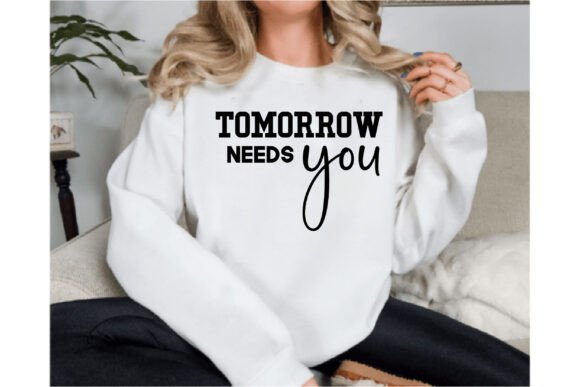
When I open a new embroidery file, my first question is always: what story does this design want to tell? Tomorrow Needs You answers that question immediately. It isn’t a flashy graphic or a complex illustration. It’s a statement. The mood it creates is one of hopeful responsibility—a gentle call to action. The layout, assuming a clean typographic approach as it’s categorized under T-Shirt Designs and Graphics, feels inherently suited to a central, focal placement. This isn’t a background accent; it’s the main event. Its visual personality is confident yet approachable, making it a natural fit for projects meant to inspire or affirm, like a custom embroidered tote bag for a teacher or a simple statement sweatshirt.
Where This Design Thrives in the Real World
My mind goes straight to practical application. I picture stitching Tomorrow Needs You onto a high-quality canvas tote. The finished product feels like a boutique item—something sold in a small shop focused on mindful living. It would look equally striking on the left chest of a relaxed-fit sweatshirt, becoming a personal mantra worn close. For crafters and Etsy sellers, this design translates beautifully into a range of handmade products: embroidered pillow covers for a cozy home decor line, clean kitchen towels as thoughtful gifts, or even as a central motif on a baby’s blanket, suggesting a hopeful future. The phrase carries enough weight to elevate a simple item into a meaningful gift, which is a key consideration for creative entrepreneurs.
Thinking Like a Customer: The Stitched Result
How will this look after the needles stop? A well-digitized version of this design should offer clear stitching. If it uses satin stitches for lettering, the result will be smooth and professional, boosting customer trust in the finished product’s quality. On a dark fabric like navy or black, with bright white or lemon-yellow thread, the contrast would be stunning, ensuring the message is crisp and readable. This clarity directly impacts perceived value—a clean, legible embroidery job looks professional and increases buyer engagement. For apparel decorators, it’s a design that doesn’t overwhelm the garment; it complements it, making it excellent for custom apparel meant for everyday wear.
Caution and Consideration: Where to Proceed Carefully
Every design has its ideal canvas and its less-perfect matches. With a phrase-based graphic like Tomorrow Needs You, the detail level in the lettering is crucial. If the file contains very small lettering or intricate serifs, you must be cautious on textured fabrics like a coarse weave or on stretchy fabrics like thin tees, where dense stitch areas can cause puckering. Embroidering on curved surfaces like caps requires checking the design’s proportions; a long, horizontal phrase might not adapt well to the cap’s front curve without careful editing.
For products destined for frequent washing—like baby clothes or kitchen linens—you’d want to test the stitch density on scrap fabric first to ensure it holds up without feeling overly rigid on the material. Always, always use a proper stabilizer suited to your fabric to preserve that stitching clarity through wear and care.
A Real Scenario: Preparing a Holiday Gift Collection
Let’s say I’m a small business owner preparing a holiday gift line. I consider using Tomorrow Needs You on a set of embroidered organic cotton pillow covers. My process is practical: I’d first run the embroidery file on scrap fabric to check thread color contrast and inspect any small details. I’d compare it on both light and dark fabric backgrounds to plan my collection’s color palette. I’d confirm the necessary hoop size to ensure my production setup is efficient. The design’s universal message makes it giftable for many occasions—not just holidays but for graduations, new homes, or simply as a token of encouragement. This versatility is a asset for commercial embroidery projects aimed at a broad market.
Notes from the Hoop: A Designer’s Practical Checklist
Before committing this design to a client’s project or my own shop merchandise, here is my realistic workflow.
- Test First: Stitch it out on a scrap of your target fabric. This reveals everything: actual stitch density, thread coverage, and how it interacts with the fabric texture.
- Check Contrast: View the design in black and white mockups to ensure the shapes hold up even without color, a good test for readability.
- Confirm Licensing: The product description states it’s a digital download for many purposes. However, before selling finished items or using it as a commercial design asset, I must personally verify the specific license terms included in the .zip file to understand any limitations.
- Plan the Product: Match the design’s mood to the product. Tomorrow Needs You feels sincere and uplifting. It pairs best with products that share that ethos—eco-friendly tote bags, well-made apparel, heartfelt home decor.
- Consider Scale: On a large field like a tote bag, it can be a bold centerpiece. On a baby item, a smaller, delicately stitched version near the hem might be more appropriate.
The Final Take: A Design That Adds Meaning
Tomorrow Needs You is more than a graphic; it’s a message ready to be materialized through thread. For embroidery designers and makers, its value lies in its ability to transform a simple fabric item into a conversation piece. It supports brand consistency for shops with a positive, purposeful vibe. For the hobbyist creating personalized gifts, it offers a way to express care through craft. The key to success with any embroidery file, including this one, is treating it as a raw material—testing it, understanding its interaction with your chosen medium, and placing it where its quiet power can shine. It’s a design that, when stitched with intention, truly feels like tomorrow, embodied in a finished product, needs the hands that made it.